
Friday, June 12, 2026
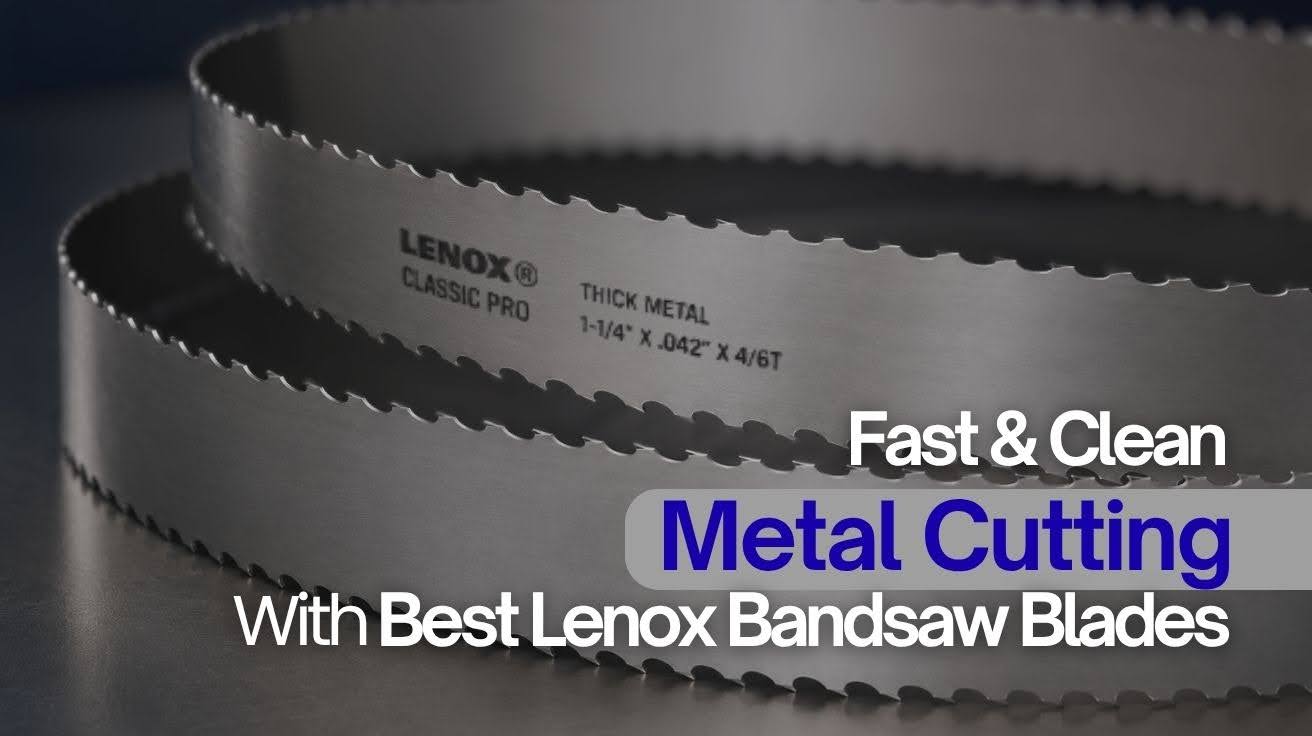
The best Lenox bandsaw blades are the ones that match the metal you cut and the type of work you do. The right blade helps you cut faster, get cleaner results, reduce blade changes, and improve shop performance. Since every metal cutting job is different, choosing the right blade is important because it affects cut quality, blade life, machine efficiency, and downtime. When the blade matches the material and cutting conditions, the saw performs better, production runs more smoothly, and shops can save both time and money.
A bandsaw blade affects much more than the cut itself. It affects cutting speed, finish quality, blade life, machine efficiency, and production output. If the blade is not right, cutting often becomes slower and less stable.
For example, a blade that does not match the application may create rough finishes, excessive heat, tooth wear, or unstable cutting. As a result, operators may need to replace blades more often and spend more time dealing with production delays.
On the other hand, the right blade helps the saw cut more smoothly and perform more consistently.
Shops often look at these points when choosing a blade:
These are important because blade performance affects daily shop operations in a very practical way.
There is no single answer because the best blade depends on the job.
For general cutting, bi-metal blades are often a popular choice because they offer a good balance of cutting speed, flexibility, and blade life. They perform well in many fabrication shops where operators cut different types of materials.
However, when shops cut harder metals or run demanding production jobs, carbide-tipped blades often become the better option. These blades hold their cutting edge longer and can handle more difficult cutting conditions.
So, the fastest and cleanest blade is usually the one that matches the application, not simply the one with the highest price or strongest material.
Bi-metal blades are common in metal cutting because they are dependable and flexible. These blades combine a hardened cutting edge with a flexible backing, which helps them perform in many cutting environments.
Shops that cut structural steel, tubing, solids, and general metal stock often use bi-metal blades because they can handle mixed workloads well.
This makes them a practical option for fabrication shops that need one blade type for a range of everyday cutting jobs.
Bi-metal blades are also often chosen because they offer a balance between cost and performance. Instead of spending more on specialized blades for every job, many shops use bi-metal blades for daily cutting work with reliable results.
That is why they remain one of the most widely used blade options in industrial cutting.
Bi-metal and carbide-tipped blades are both useful, but they are designed for different jobs.
Bi-metal blades are usually better for general shop work. They cut a wide range of metals and perform well in mixed workloads.
Carbide-tipped blades are built for harder jobs. They perform better in thick solids, hard metals, and stainless steel because they resist wear better and stay sharp longer.
Bimetal blades often cost less at first. However, carbide-tipped blades may save more money over time in demanding production work because they last longer and reduce blade changes.
This is why shops should choose based on the cutting job rather than using the same blade every time.
Frequent blade changes create problems in production shops. Every time a blade wears out too soon, the machine stops, and operators lose time.
This may seem like a small issue, but repeated downtime affects daily production and increases cutting costs.
Better blades often reduce these interruptions because they last longer and maintain cutting performance more consistently.
A stronger blade can help by:
This is especially helpful in busy production environments where machine uptime matters.
Thick stainless steel is one of the most difficult materials to cut.
It creates heat quickly and puts more pressure on blade teeth. If the blade is not designed for this type of cutting, wear increases and cutting quality drops.
Bi-metal blades may work for some stainless jobs, but for heavier stainless cutting, carbide-tipped blades are often the better option.
These blades handle heat better, stay sharp longer, and perform more efficiently in difficult cutting conditions.
Because of this, many shops use carbide blades when they cut thick stainless steel regularly.
Blade type is important, but lubrication also plays a big role in cutting performance. During cutting, friction creates heat. Too much heat can reduce blade life and affect cut quality. This becomes even more important in stainless steel and demanding production cutting.
Using Lenox Lube helps reduce friction and improve chip flow during cutting. This can help protect blade teeth and improve cutting consistency.
Lubrication also helps reduce unnecessary wear, which supports longer blade life.
Improve Blade Life with Lenox Lube Solutions
Many shops use good machines and quality blades, but still struggle with cutting performance because the blade does not match the application.
One common mistake is choosing blades based only on price. A lower-cost blade may seem like a better deal, but if it wears out quickly, the real cost becomes much higher.
Another common mistake is using general-purpose blades for demanding materials. Thick stainless steel, hard alloys, and solids often need stronger blade technology.
Tooth pitch selection is another issue. If the tooth design does not match the material size, cutting becomes unstable, and blade wear increases.
Machine setup also matters. Feed rate, blade tension, and lubrication all affect cutting results.
Shops that focus on application-based blade selection often improve cutting speed, finish quality, and blade life.
Every shop has different cutting needs. Some cut light materials throughout the day. Others run heavy production jobs on thick solids or hard metals. Because of this, the right blade depends on what the shop cuts most often and what kind of performance it expects.
If a shop needs one dependable blade for everyday cutting, bi-metal blades are often a practical choice. They offer flexibility and work well in many general applications.
If the shop needs faster cutting, longer blade life, and better performance on difficult materials, carbide-tipped blades may be a better option.
This is why shops should think about material type, cutting volume, blade life, and machine workload before choosing a blade.
When blade selection is based on the real cutting job, production often becomes more efficient, and blade costs become easier to manage.
Fast and clean metal cutting starts with the right blade. The right Lenox bandsaw blades can improve cut quality, reduce downtime, and make cutting easier. Bi-metal blades work well for general cutting, while carbide-tipped blades are better for harder metals. In addition, Lenox Lube helps reduce heat and improve blade life. With the right cutting solutions from Maxwell Products, shops can save time and reduce costs.
The best blade depends on the material you are cutting. Bi-metal blades work well for general metal cutting, while carbide-tipped blades are often better for harder metals and heavy production jobs because they cut faster and last longer.
Carbide-tipped blades are better for tough materials like stainless steel and thick solids because they stay sharp longer. Bi-metal blades are still a good choice for general shop work and everyday cutting.
Use the right blade for the material, maintain proper machine settings, and use lubrication like Lenox Lube. This helps reduce heat and wear, which can improve blade life.
Carbide-tipped blades are often the best choice for thick stainless steel because they handle heat better and last longer in tough cutting conditions.
Lubrication reduces friction and heat during cutting. It helps protect the blade, improve cut quality, and extend blade life.